We all have preconceived notions about what a job is like. Whether it’s based in reality or just what you’ve heard through the grapevine, we get these ideas in our heads about what our lives would be like if we had a certain profession.
So what is it like to be an oil investor? What is actually involved in the operations, funding, and how do you get involved? Let’s take a moment to break down some of the things you don’t know about oil investing, particularly the nuts and bolts of everyday operations.
10: We Have Industry-Specific Terms
Mud logger. Landman. Derrick Hand. These are all job titles that someone in our industry could have, and, to the best of my knowledge, aren’t seen anywhere else. A Mud Logger, for example, monitors and examines records of rock cuttings brought to the surface as the well is drilled. A Landman coordinates the drillers and landowners so we can lease the land where we want to drill. A Derrick Engineer assists the driller and is responsible for the upper part of the drilling rig.
9: It’s Not Like in the Movies
You may think that when we strike oil, it gushes into the air and everyone dances in a rain of black gold. That doesn’t really happen. In fact, a lot of the visuals of the oil process don’t go down exactly like they do in your favorite films. As it turns out, there’s a lot more going on than it appears.
8: This Isn’t a One-Man Operation
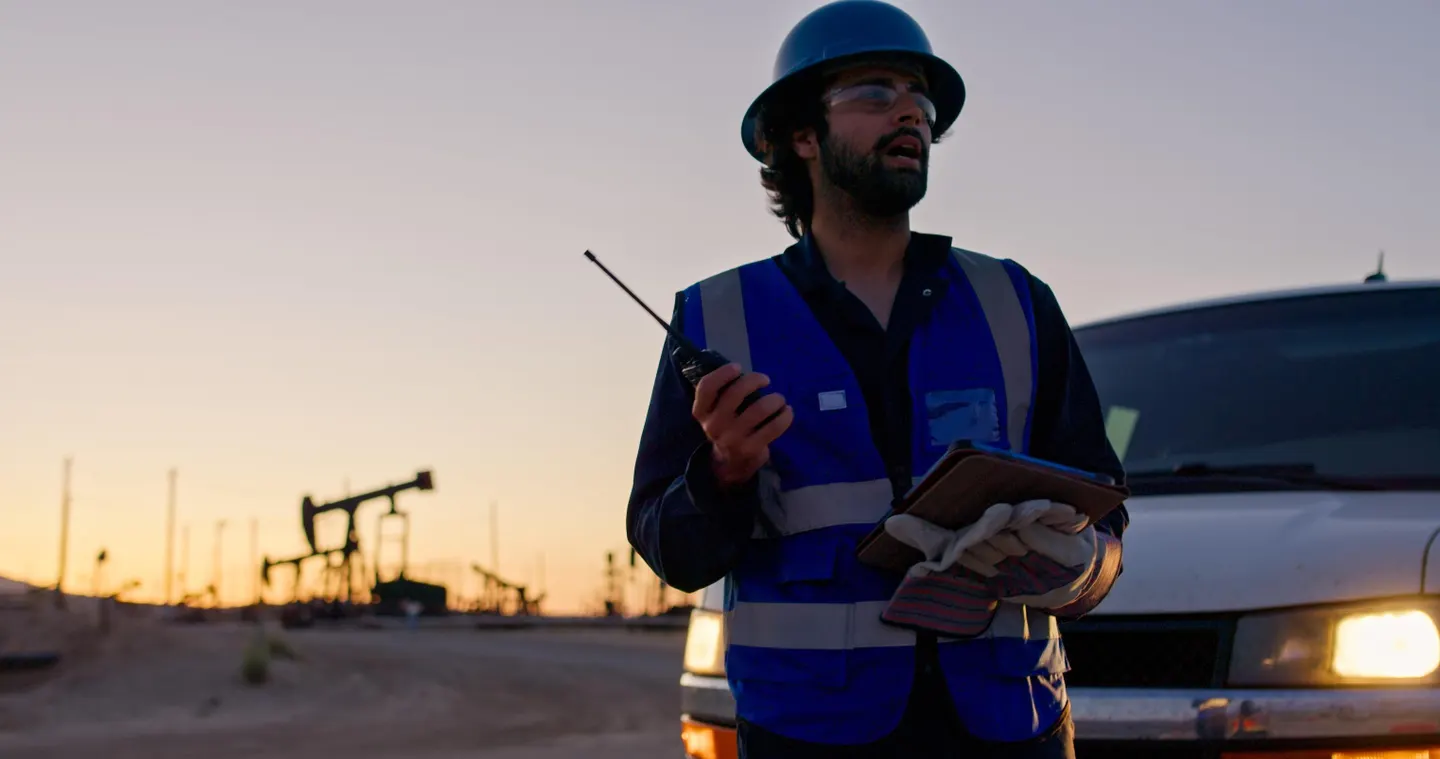
There are so many people involved in getting a drilling well going and keeping it operational. The aforementioned Mud Logger? They work day and night to ensure there aren’t any problems, safety or otherwise. We have maintenance personnel on standby to weld or repair whatever is needed. This is one of those scenarios where it really does take a village to get the job done.
7: It’s Louder Than You Think
If it’s your first time on a rig, you might wonder if everything is working correctly. It’s chaotic. Engines are revving up and down constantly. And it’s very, very, loud. (Make sure to wear your personal protective equipment.) But then you witness the crew intensely focused on their tasks, and you see it for the well-oiled (pun intended) machine that it is.
6: There’s a Lot More Science Involved
If your idea of drilling a well comes from the movies, then you could be forgiven for assuming it’s just a guy putting random holes into the Earth. But I talk to geologists and geophysicists all the time. We’re constantly trying to find the best path to our destination and how to do it safely. This isn’t a guy with a shovel anymore, but a team with 3D scanners and geological data.
5: We Have Witches
There are folks who claim to have divine powers that tell them where the best spots are to drill for oil. In one case, we have a man who brings out these large batteries and then “charges” himself with their power so he can see where the oil is underground. True story.
4: We’re Tech Savvy
The amount of technology that we employ to ensure we drill into the proper location is staggering. There’s the 3D imaging, where we do a sort of X-ray of the ground to see where things sit. The constant monitoring of sensors to ensure safety. The innumerable calculations. This is way beyond simple work here, and we use the best tools we can to get it done.
3: Anxiety and Excitement Play Equal Roles
That moment when we’re about to reach the spot where we believe the oil lives is both exciting and stressful. Did we do our job correctly, or are we coming up short? Are we in the money here, or did we just lose a fortune? This is the worst kind of balancing act, and yet somehow it’s also the best.
2: The Work is 24/7
Running a drill is constant work. We always have someone on site to ensure everything is going well and there are no security issues. Once we open the ground, we don’t want any issues until we’re done. That requires long hours, but it’s the gig.
1: There’s a lot More Dealing with Dogs than I Anticipated
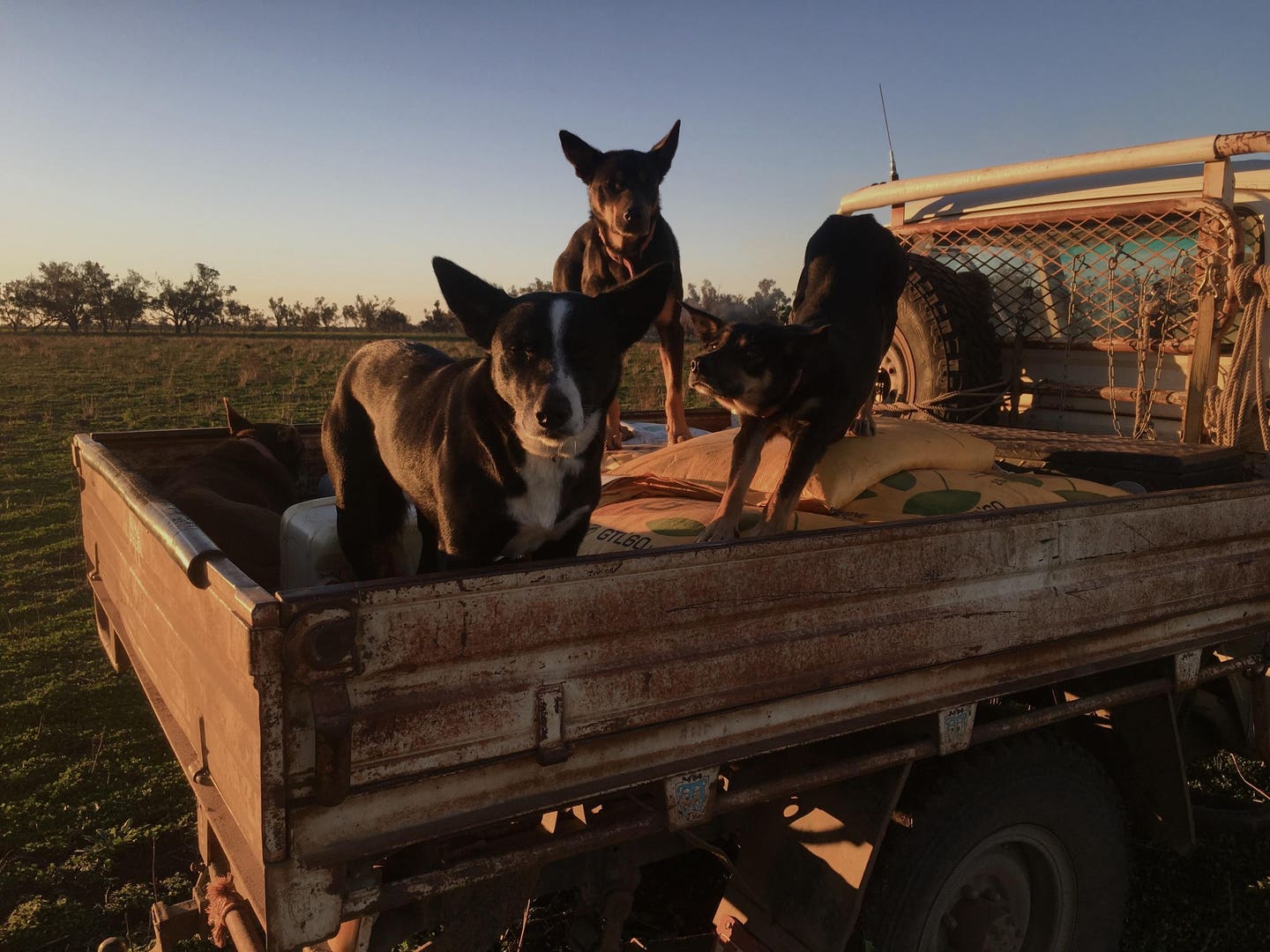
When we need to secure a lease on land, we talk to farmers. Know what they have? Dogs. Sometimes really big ones, too. And I have to make sure to keep those dogs calm and collected while I try to give their owner some money. Somehow, that was never in the job description.